
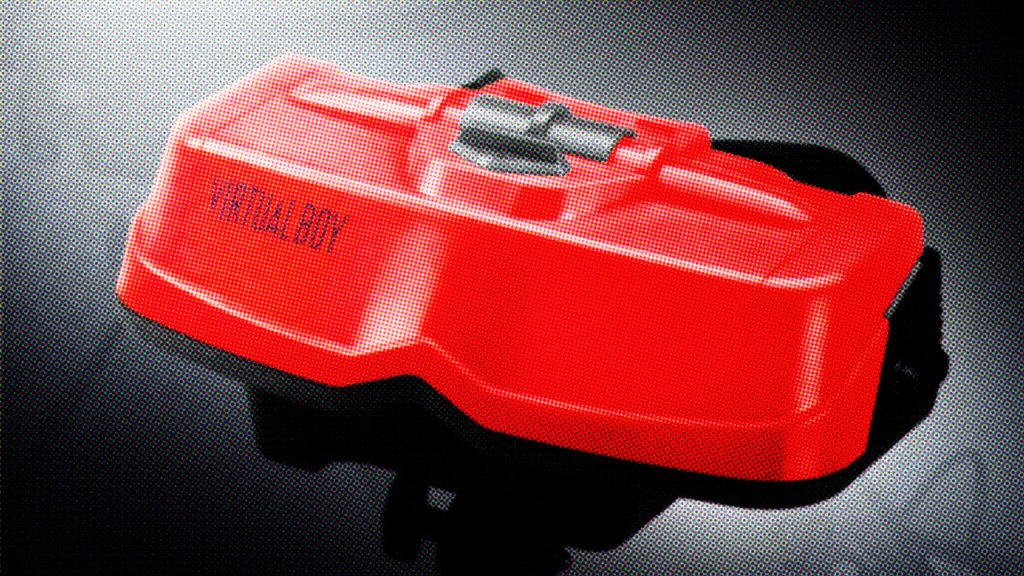
Earlier this month, Nintendo added Virtual Boy to their subscription-based Nintendo Classics range.
This ill-fated 1995 system is hardly considered a darling among the gaming masses, but I was personally very excited to see how Nintendo’s unique approach for this Classics offering would play out.
Unlike previous Nintendo Classics libraries, you are required to purchase additional hardware to play Virtual Boy titles. This has been a controversial decision for many, especially as the library is already exclusive to the Expansion Pack tier.
Nintendo offers two solutions: a $25 cardboard model which is reminiscent of the Labo VR Headset and a full-on hard plastic recreation of the Virtual Boy console. I opted for the latter.
The hardware
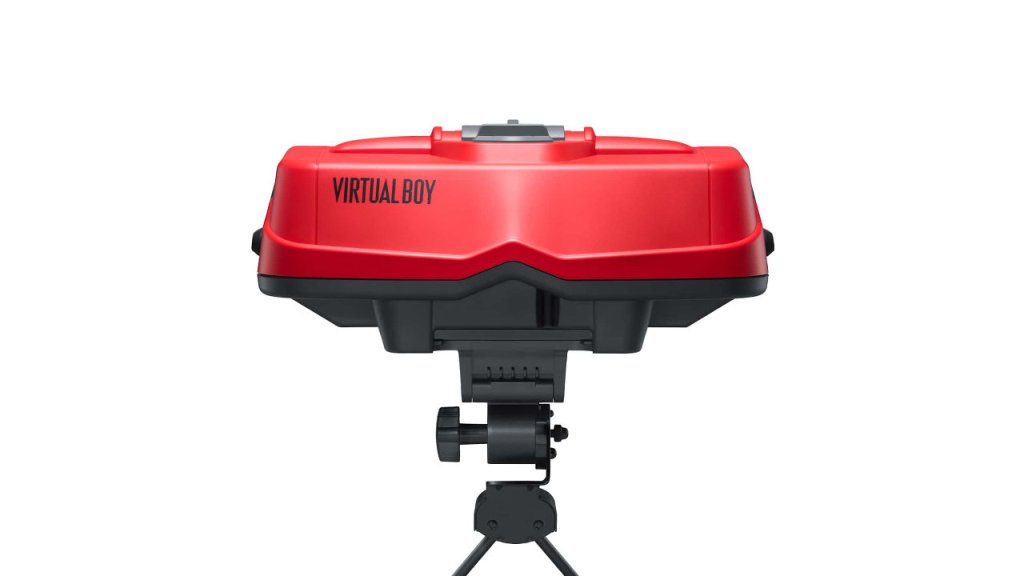
The build quality of the $99 accessory is solid.
While the buttons, dials, and ports are decorative, it looks authentic to the real thing. This includes the stand, which sadly fails to satisfy my expectations due to the fixed height and some paint already chipping off during first use.
Original hardware preservationists will be glad to hear this stand can be used on a real Virtual Boy if you’re in need of replacing one.
Physically, the Virtual Boy is a stark reminder of why the system failed.
It is fairly uncomfortable, lacks any modern considerations for people who wear eyeglasses, and requires some awkward bodily contortions to use properly if you can’t get a good height with the stand.
Bluesky user AK also reports the eyeshade is also narrower than the original system. This is unfortunate for any wide-faced four-eyes like myself.
I’m using my original Nintendo Switch inside the unit, rather than my Nintendo Switch 2. My intention had been to treat the Virtual Boy as a de facto coffin for the 2017 system, but frustratingly you cannot charge the console without removing it. Thanks, Nintendo.
Cramming my face into the unit yields impressive results.
The game image is clear, sharp, and the 3D effect delivers. I previously used a real Virtual Boy at the Game On exhibition. If I were blindfolded, I’d be hard-pressed to determine which was the real thing.
The sound from the Nintendo Switch is super clear despite the system mostly being inside a plastic shell. This is likely because the bottom of the console actually pokes out the headset. Whether that’s clever design or a happy accident due to space constraints doesn’t matter. The end result is a clear soundstage, with proper stereo separation.
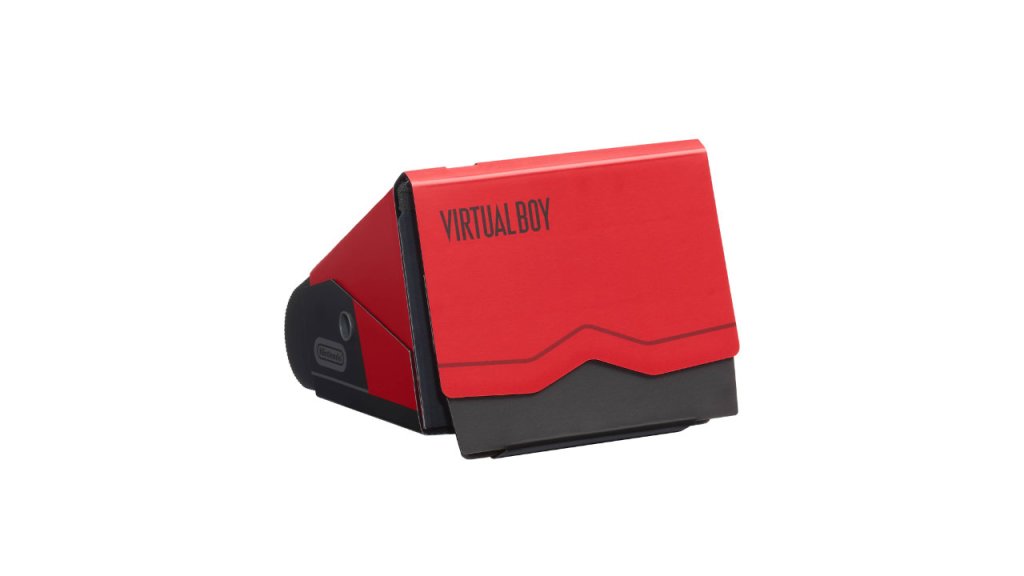
While I’ve not used it, the cardboard model has its own flaw – the lack of a head strap.
Just holding my console up to my face for a few minutes was all the experience I needed to realise that option wouldn’t cut it for me. That said, even if the cardboard model did feature a strap, it would still be flawed – the Nintendo Switch may be light, but not while head-mounted.
Ultimately, any solution would have a comfort trade-off.
I did try the “Try4ce method” of lying down with the Virtual Boy sitting on your face (uh, down boy), but this has resulted in some soreness on my nose as the weight seems to centre on the nasal bridge of the detachable red filter – more on that shortly.
Unlike other Nintendo Classics systems, there’s no Virtual Boy controller.
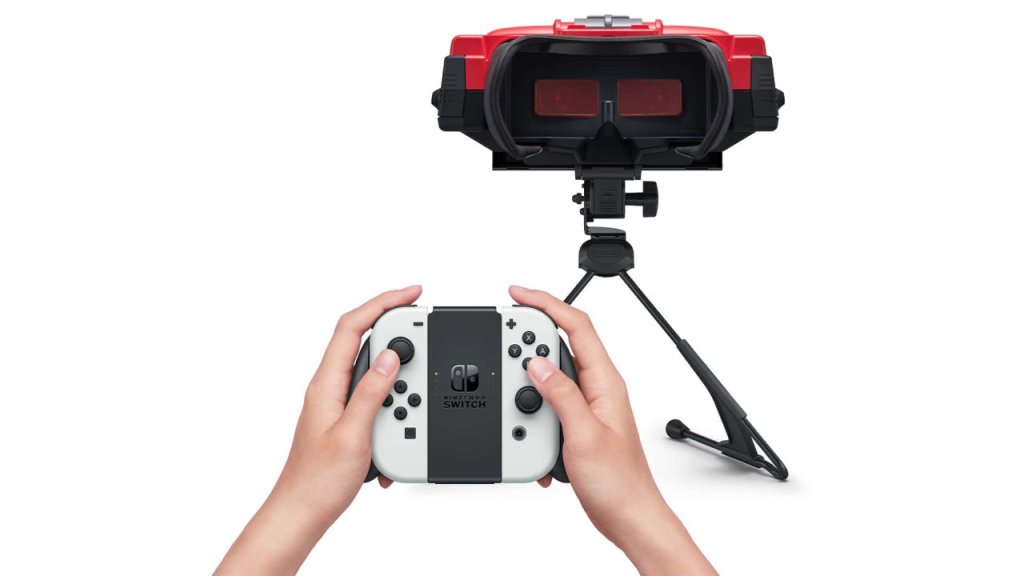
This is a bummer as I’ve enjoyed compiling a collection of classic console controllers, but given I literally cannot see the controller while playing, this doesn’t bother me as much in practice.
To summarise, the Nintendo Classics experience feels true to the real system, but that’s not entirely a good thing.
The software
If you’ve loaded any of the Nintendo Classics range before, you’ll be right at home with the Virtual Boy software.
The usual emulation trimmings are present. You can rewind, create suspend points, and remap controls. Some system features are missing due to the Nintendo Switch being in the VR mode, primarily video capture.
There are other quirks too.
A good portion of the library UI is outside my field of view inside the headset. Gameplay is perfect, but the library, settings, and in-game options screens are too big for the viewable area.
You can choose to either see more vertically by removing the detachable red filter or see more horizontally by leaving the filter on.
I’ve attempted to simulate how I view the various screens with and without the red filter below. Please note, your experience may differ.
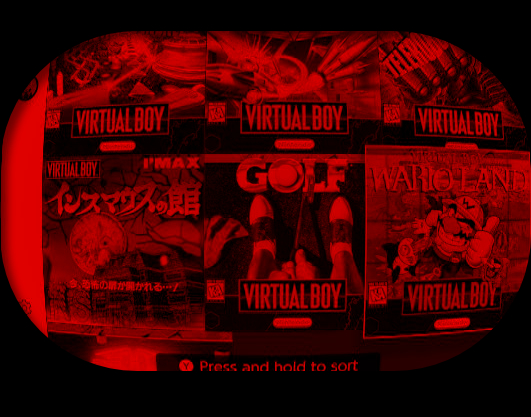
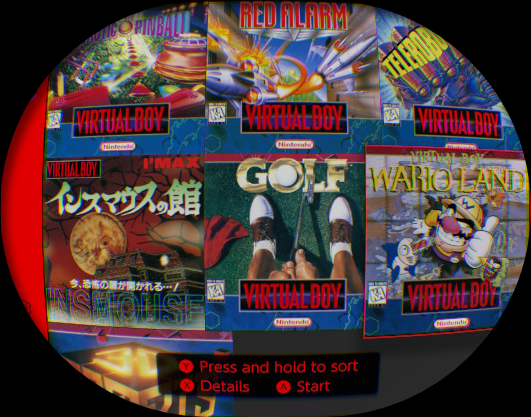
As you can see here, the red filter crops out some of the overlayed controls at the bottom of the screen, whereas having the filter removed makes the settings cog and player icon harder to see.
I have enough muscle memory with Nintendo Classics to know my way around the various menu options, but for some, this will be a pain point.
The detachable filter plays a key role in achieving the signature red of the Virtual Boy games, darkens the LCD backlight, and reshapes the viewable area into the authentic rectangle of the original system. As such, I’d recommend leaving it attached to the accessory.
Running the Virtual Boy – Nintendo Classics software outside the headset is technically possible, in handheld mode only, if you don’t mind focusing on one of the 384×224 viewports.
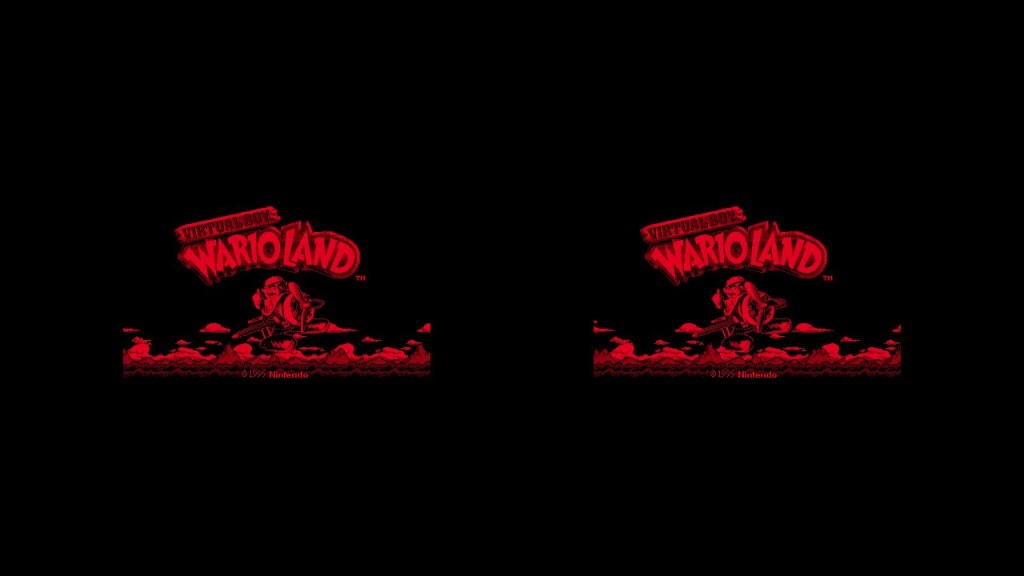
This is easier on an original Nintendo Switch due to the system screen’s lower resolution, but it’s still far from optimal. Nintendo Switch 2 owners will find the game image physically smaller than on the Nintendo Switch. This isn’t an issue inside the headset.
I had hoped to use the system’s built-in zoom feature to enlarge the image when playing in handheld mode. Sadly, that’s also unavailable while in VR mode.
The handheld view can’t even be seen with the console docked, as it instead yields a lovely “undock me” message — thanks, Nintendo.
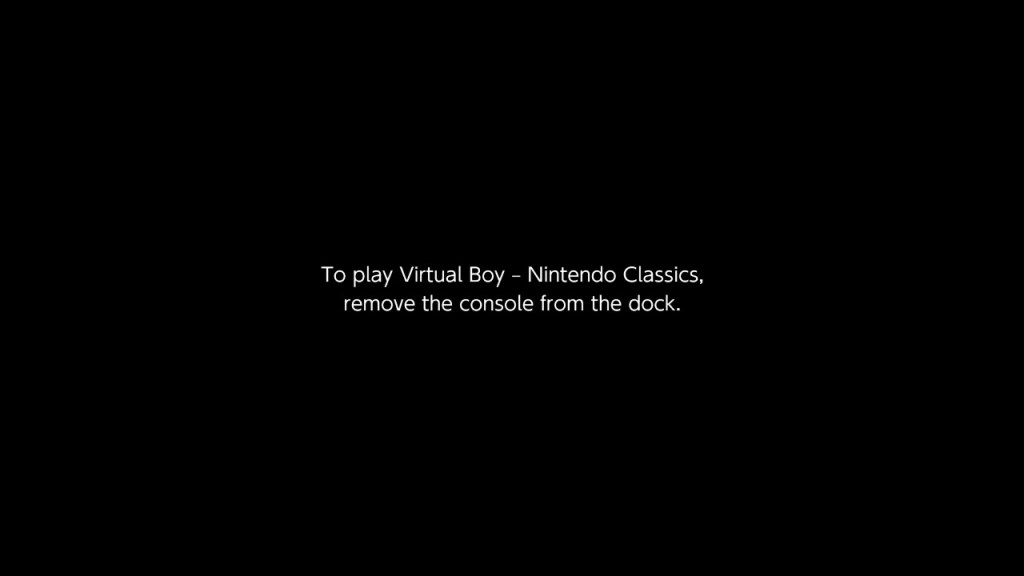
The reality is, you will want some form of VR attachment to use this software. Now we’ve accepted that, let’s talk about the games.
The launch line-up
The launch line-up includes seven games:
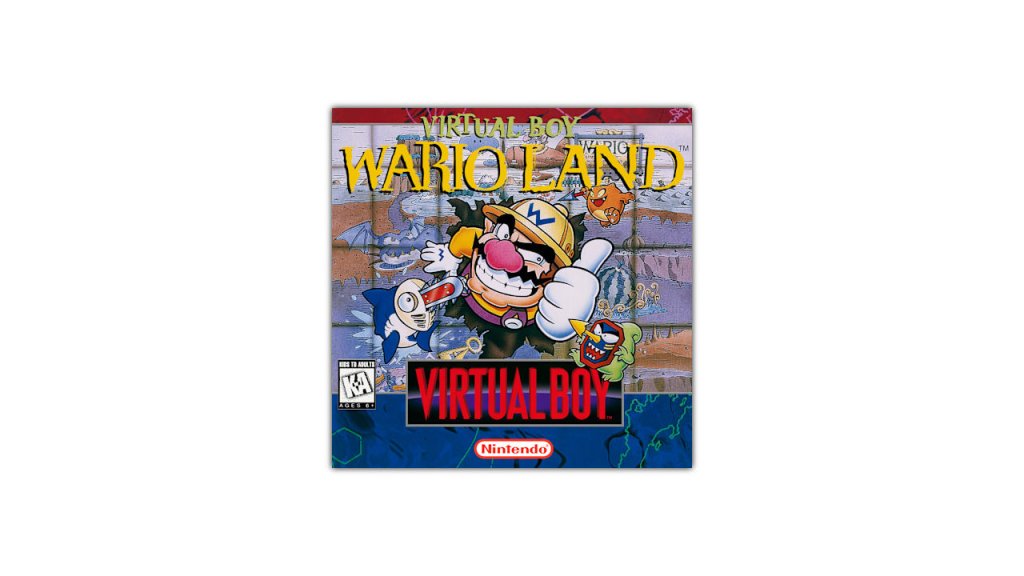
Virtual Boy Wario Land
If you’re going to play anything, it’ll be this. As you’d expect from the follow-up to Super Mario Land 3: Wario Land, Virtual Boy Wario Land is a treasure-collecting platformer.
The levels are non-linear and feature different layers, making great use of the system’s 3D visuals. This utilisation of depth would later be a key inspiration for some of my favourite indie titles from the Nintendo 3DS era – Mutant Mudds Deluxe, Mutant Mudds Super Challenge, and Xeodrifter by Atooi.
Produced by Gunpei Yokoi, co-directed by Hiroji Kiyotake and Hirofumi Matsuoka, and with music composed by Kazumi Totaka – Virtual Boy Wario Land was created by some of Nintendo’s best, and it shows. You can’t miss this one.
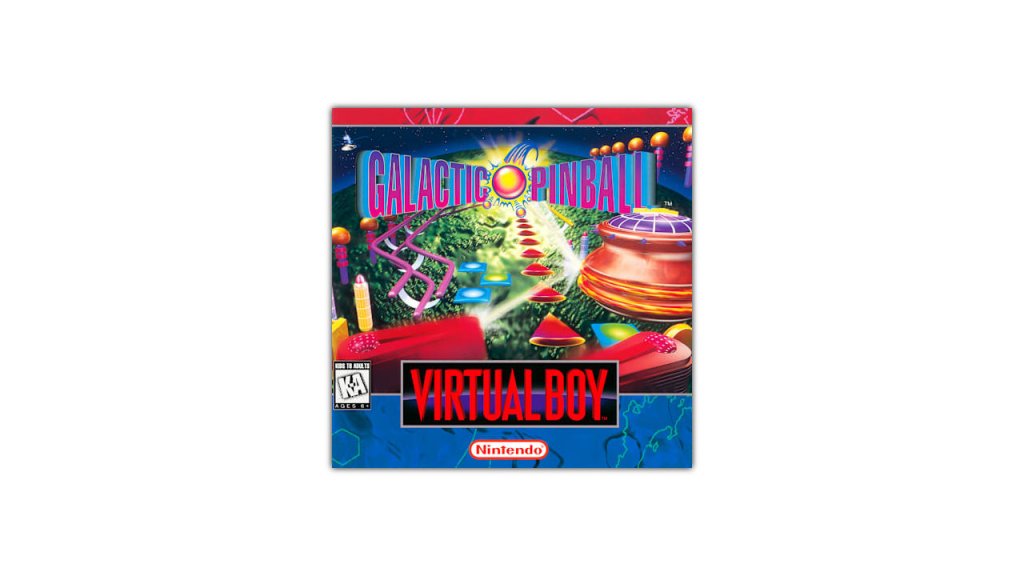
Galactic Pinball
Developed by Intelligent Systems, Galactic Pinball is a neat take on video game pinball. This isn’t a genre I’m super into – both digitally or physically – but I appreciate the execution here.
While the pinball tables aren’t anything to write home about, I was pleasantly surprised by a particular cameo and break in gameplay style offered by the cosmic table. If you only play one table, play this one.
I’ll probably give each table a run, but I don’t see myself coming back once I’ve wrapped things up. The music, from Kenji Yamamoto and Masaru Tajima, is pretty sweet though.
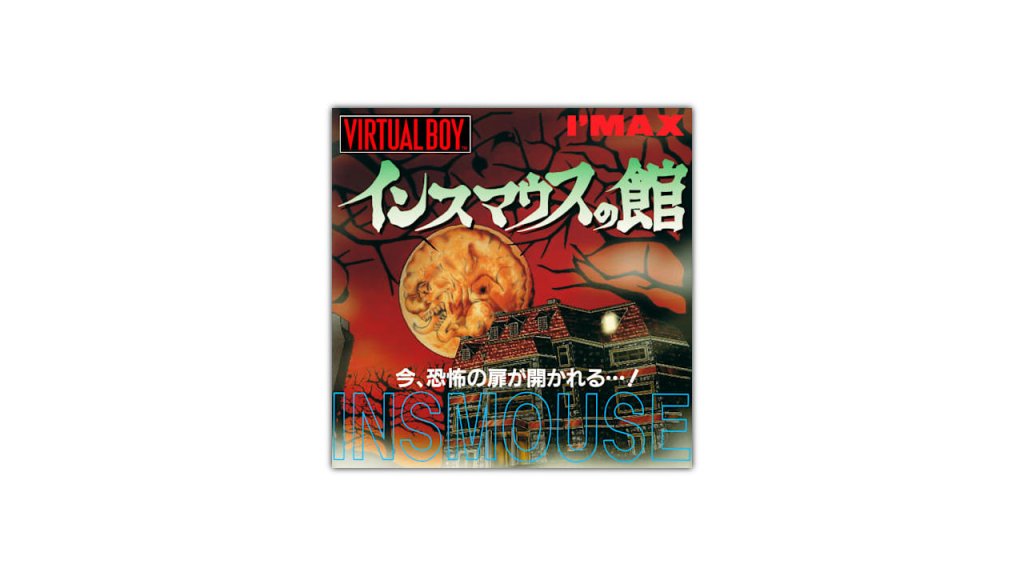
The Mansion of Innsmouth
I’m not yet made up my mind when it comes to The Mansion of Innsmouth.
You play as a detective moving through a monster-infested mansion in first person. This is the only Japan-only title available at launch, but the multiple paths (and endings) do tempt me to play on.
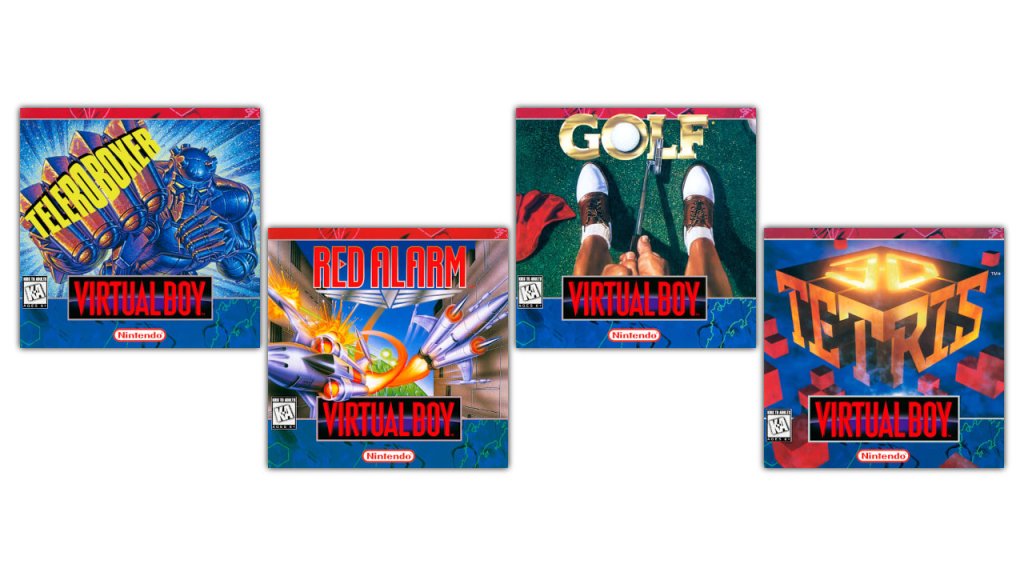
The rest of the launch line-up
3D Tetris, Red Alarm, Teleroboxer, and Golf don’t immediately hold my attention for various reasons. There’s much better Tetris out there, Red Alarm is a compromised Star Fox-like game, Teleroboxer is frustratingly difficult, and Golf is… golf. Nice golf. But golf.
More games to come
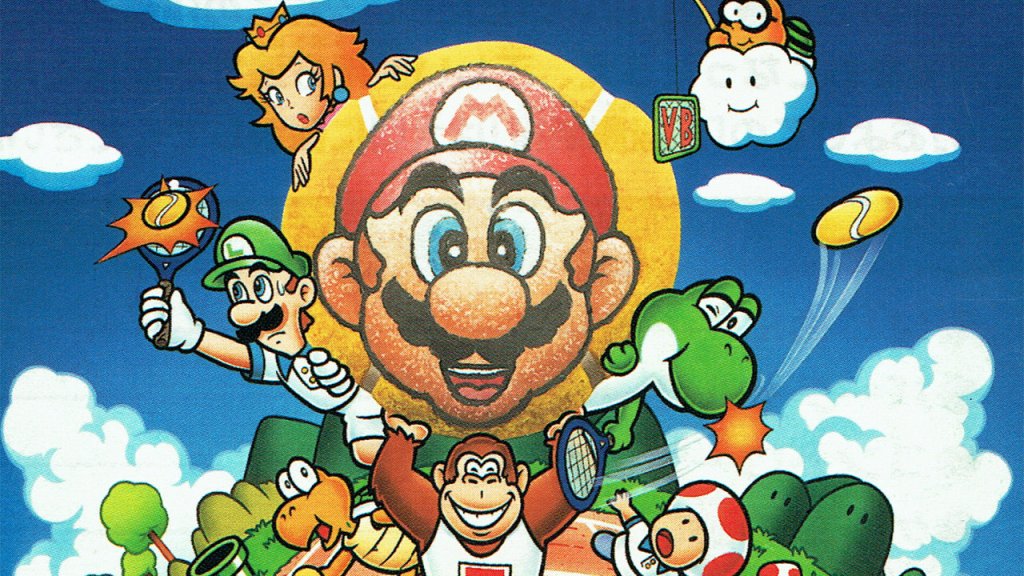
More titles, like V-Tetris and Mario’s Tennis, will be added later. In total, 15 of the 22 titles originally released globally for the system are currently confirmed for the service, but it gets better.
Nintendo has also confirmed two previously unreleased games – Zero Racers and D-Hopper – will be coming to the service.
Unlike Star Fox 2, which had a ROM leaked some years prior to its official debut with the Super NES Classic Edition, these cancelled games have never been playable to the general public.
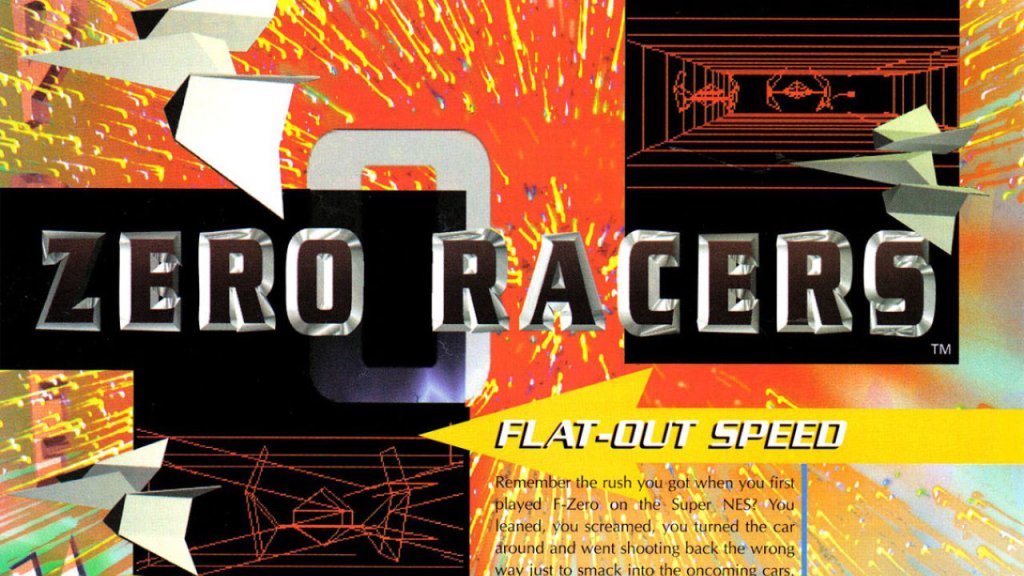
Zero Racers is an F-Zero spin-off, though looking at gameplay you’d be forgiven for assuming it actually originated in the Star Fox universe.
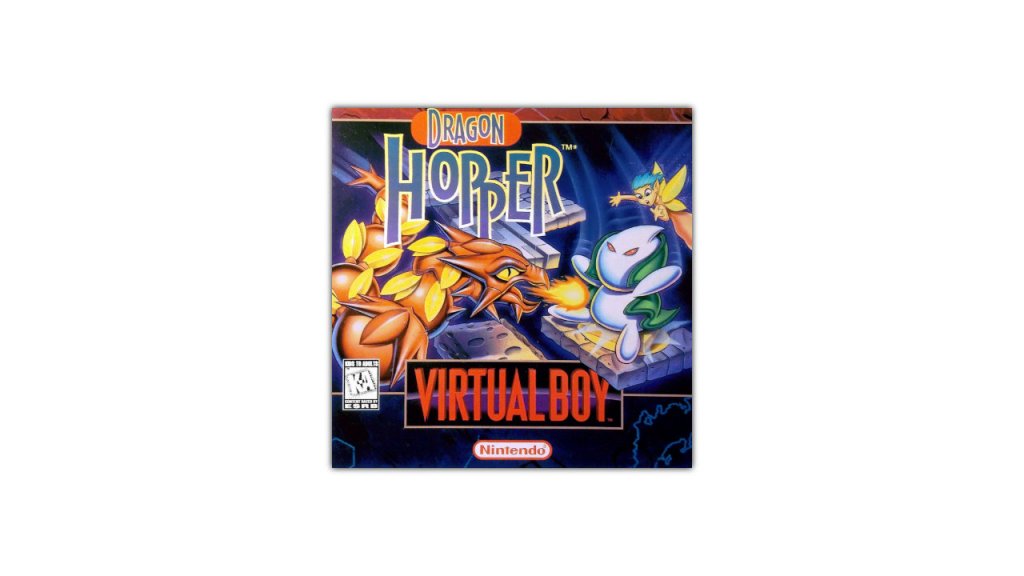
Dragon Hopper, now titled D-Hopper, is an action-adventure title developed by Intelligent Systems. The top-down perspective is reminiscent of The Legend of Zelda: Link’s Awakening.
This brings us to 17 titles announced for the service.
While playable through other means, I’d also like to see another cancelled game, Bound High, come to the service.
We’ve known Bound High and Zero Racers were complete for a while, whereas Dragon Hopper had previously been rated by the ESRB, but could we see more unreleased titles come to the service?
Nintendo had showcased a Super Mario title for the system at CES 1995. I’ve no idea how far that project got, but that being added to the service could be huge.
Closing thoughts
Nintendo is keen for players to experience Virtual Boy games in their original form.
I understand this desire, but it has resulted in Nintendo straying from the promise of the Nintendo Switch platform.
Removing the ability to play these titles on the big screen or in handheld mode is a mistake. I hope Nintendo opts to rectify this in a future update.
While I enjoy my Virtual Boy, I’m already resigned to it becoming a shelf piece once the novelty wears off. I can’t play it as long as I want to, and even when I am playing it, I’m not as comfortable as I would be playing other systems.
Overall, I’m left torn. I’m not prepared to write off this service. The games are fun, the accessory is a nice novelty, and I’m excited about what is on the horizon.
I just need more ways to play.
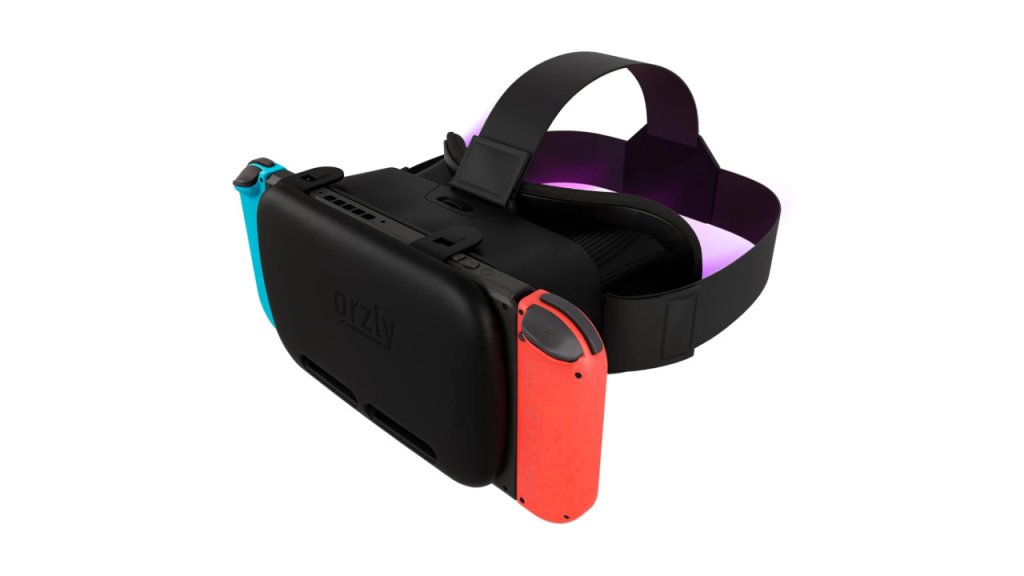
Which is why I picked up the Orzly VR Headset.
There are alternatives
Compatible with the original Nintendo Switch and Nintendo Switch OLED model, this headset (in the aforementioned “Try4ce method”) is my preferred way of playing Virtual Boy on Nintendo Classics.
Sadly, this option isn’t compatible with the Nintendo Switch 2.
There are drawbacks, of course. It’s still front-heavy, and I do miss the benefits of the detachable red filter from the Virtual Boy accessory, but there’s also plenty to love.
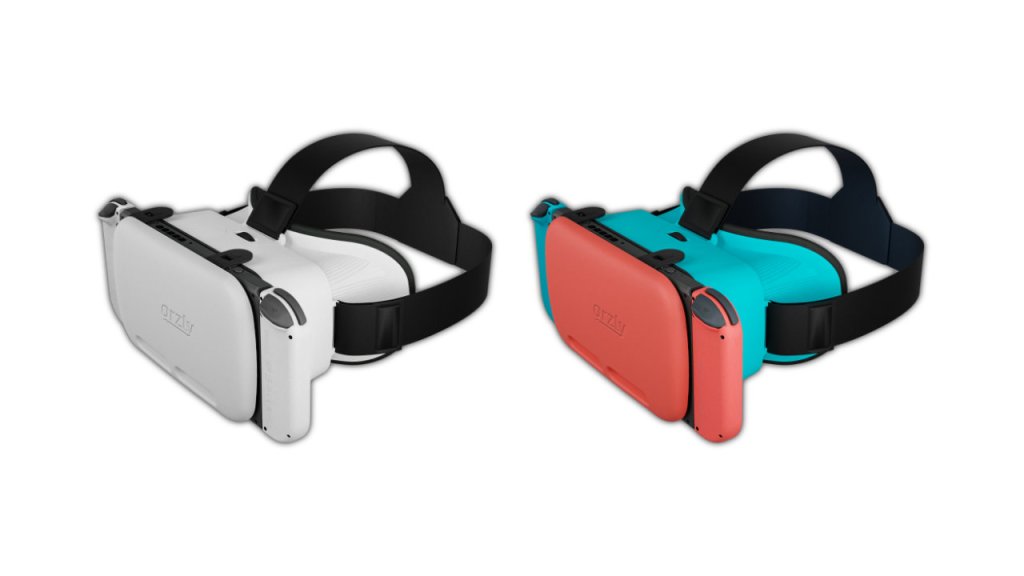
The headset offers vents for the system fans, physical lens movement for players to optimise the inter-pupillary distance (IPD), and has ample padding for the face. You can also easily access the headphone jack, power button, and USB-C port for charging. I even get a significantly better view of the library, settings, and in-game options screens!
The headset holds a tight grip on your console. While a screen protector shouldn’t be necessary, you may want to consider it. Both the front and back of the console do touch soft padding, but there is scope for the plastic rim to connect with your screen. I wouldn’t want a looser grip, however, as the tightness ensures the system stays put during gameplay.
If you’re looking to play Virtual Boy via Nintendo Classics, I would argue this is the best way to play.
You can buy the Orzly VR Headset for Nintendo Switch & Nintendo Switch OLED model on Amazon UK, Amazon US and from Orzly directly.
Disclaimer
I paid for these products with my own money.
Nintendo and Orzly did not see this review before it was published.
There are no affiliate links used in this content.

You must be logged in to post a comment.